AI companies are implicitly betting that their customers will buy AI for highly consequential automation, fire workers, and cause physical, mental and economic harm to their own customers as a result, somehow escaping liability for these harms. Early indicators are that this bet won’t pay off. Cruise, the “self-driving car” startup that was just forced to pull its cars off the streets of San Francisco, pays 1.5 staffers to supervise every car on the road. In other words, their AI replaces a single low-waged driver with 1.5 more expensive remote supervisors—and their cars still kill people.
I’ve started pondering to what degree we’ll return to printed books, bookstores, and libraries in the face of inane and inaccurate AI-generated material flooding Amazon and the Internet.
I don’t find it an entirely bad thing that we do, but I’m also in the business of creating professional historical scholarship, educational resources, and public history on the web. I don’t know yet, it’s just a thought occurring lately and how I (and we, as a profession) might respond to this.
Another option is that we finally begin to settle on how we verify and peer review online scholarship. It’s a topic I’ve mused on for a long time, and we still haven’t found a great solution to. Perhaps this will light some urgency to the question.
The angel has already said, Be not afraid.
He’s said, The power of the Most High will darken you. Her eyes are downcast and half closed.
And there’s a long pause — a pause here of forever —
as the angel crowds her. She backs away,
her left side pressed against the picture frame.
He kneels. He’s come in all unearthly innocence
to tell her of glory — not knowing, not remembering
how terrible it is. And Botticelli
gives her eternity to turn, look out the doorway, where
on a far hill floats a castle, and halfway across
the river toward it juts a bridge, not completed —
and neither is the touch, angel to virgin,
both her hands held up, both elegant, one raised
as if to say stop, while the other hand, the right one,
reaches toward his; and, as it does, it parts her blue robe
and reveals the concealed red of her inner garment
to the red tiles of the floor and the red folds
of the angel’s robe. But her whole body pulls away.
Only her head, already haloed, bows,
acquiescing. And though she will, she’s not yet said, Behold, I am the handmaiden of the Lord,
as Botticelli, in his great pity,
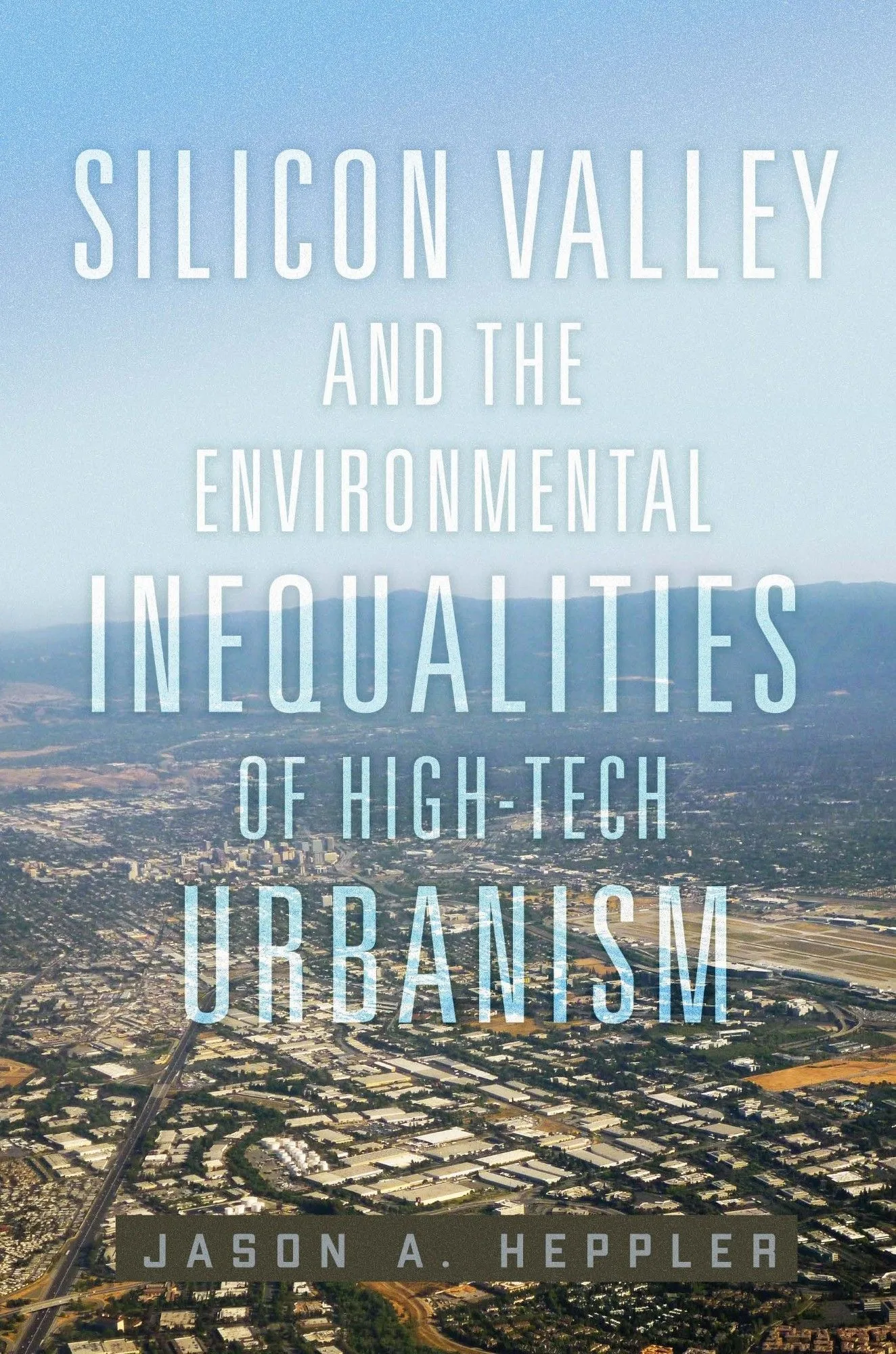
I am excited to announce that my second book has a publication date of April 23, 2024. The University of Okalhoma Press did a beautiful job with it and everyone was such a pleasure to work with. You can pre-order it now.
The book cover for Silicon Valley and the Environmental Inequalities of High-Tech Urbanism.
Since World War II, the emergence of high-tech industrialization in the Santa Clara Valley—what we commonly refer to as Silicon Valley, a nickname it picks up in 1971—radically transformed the landscape. This transformation represented a vision for the future of the valley and the American West, one tied to industrialization different from the steel age industries of the Midwest and East and seemingly distinct from the extractive industries of the West. Wrapped up in this transformation was the role of nature in the social,cultural, and economic conception of place, an impulse that shaped the origins of American environmentalism and urban sustainability.
The book tries to do several things. Throughout the latter half of the twentieth century, business and community leaders pursued a vision of the landscape melding bucolic naturalism of orchards, pleasant weather, and green spaces with the metropolitan promise of modern industry, defense-related research, and high-tech manufacturing. One phase of this work tries to describe how successful this attempt was. But more than that, it also describes how ideas of what a modern metropolis looked like competed with one another. Agriculture is displaced by manufacturing, jump-starting a process to protect and preserve green belts. Attempts to create an idyllic, high-tech community introduced environmental degradation and social inequalities. Rather than creating a new kind of urbanism, organizing cities around high-tech research, development, and manufacturing strengthened the power of elites, worsened human health, drove housing prices skyward, and spread pollution.
A core question I ask is: how do “nature” and “place” get defined, and who gets to define them? When certain ideas of place and nature prevail, what impact does that have? This is significant: when we talk about “the environment,” who and what is included and excluded tells us much about the social, cultural, and political underpinnings of environmentalism, a process we see play out not just among what we might consider traditional avenues of conservation and environmentalism, but through the climate emergency, urban development, and environmental justice. Silicon Valley, then, is similar to other postwar urban centers in the American West; it’s not just a story of high-tech, but a story of segregation, inequality, property, and environmental change.
📨 Mail Client: Apple Mail
📮 Mail Server: iCloud, Fastmail
📝 Notes: Obsidian
✅ To-Do: Things 3, Apple Reminders, Github Issues
📷 iPhone Photo Shooting: Apple Camera
🌅 Photo Management: Apple Photos
📆 Calendar: Apple & Google Calendar
📁 Cloud File Storage: iCloud, Dropbox, Backblaze
📖 RSS: NetNewsWire
🙍🏻♂️ Contacts: Apple Contacts
🌐 Browser: Safari, Firefox
💬 Chat: Messages, Signal, Slack
🔖 Bookmarks: In something of a shock to even me, the browser
📑 Read It Later: Matter
📜 Word Processing: Obsidian, Pages, Word if I have to
📈 Spreadsheets: Numbers, Excel if I have to
📊 Presentations: Keynote
🛒 Shopping Lists: Apple Reminders
🍴 Meal Planning: Nothing (shoutout to Mela)
💰 Budgeting and Personal Finance: Monarch
📰 News: Safari, NetNewsWire
🎵 Music: Apple Music
🎙️ Podcasts: Overcast
🔐 Password Management: Apple Passwords, 1Password
🤖 Code Editing: VSCode, nvim
📚 Books: So many, almost always paper (very occasionally Apple Books)
🌎 Blogging: Micro.blog, Hugo
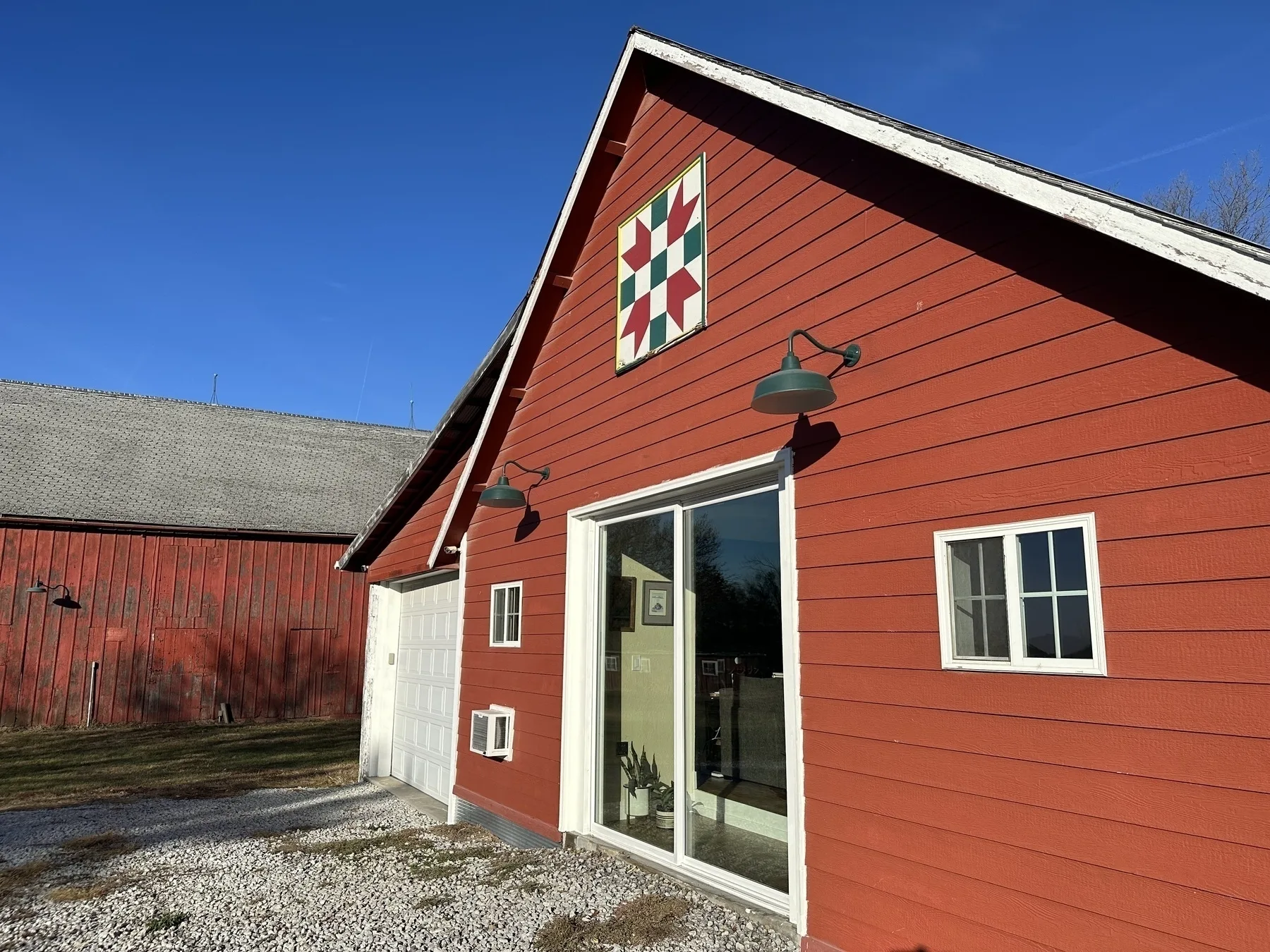
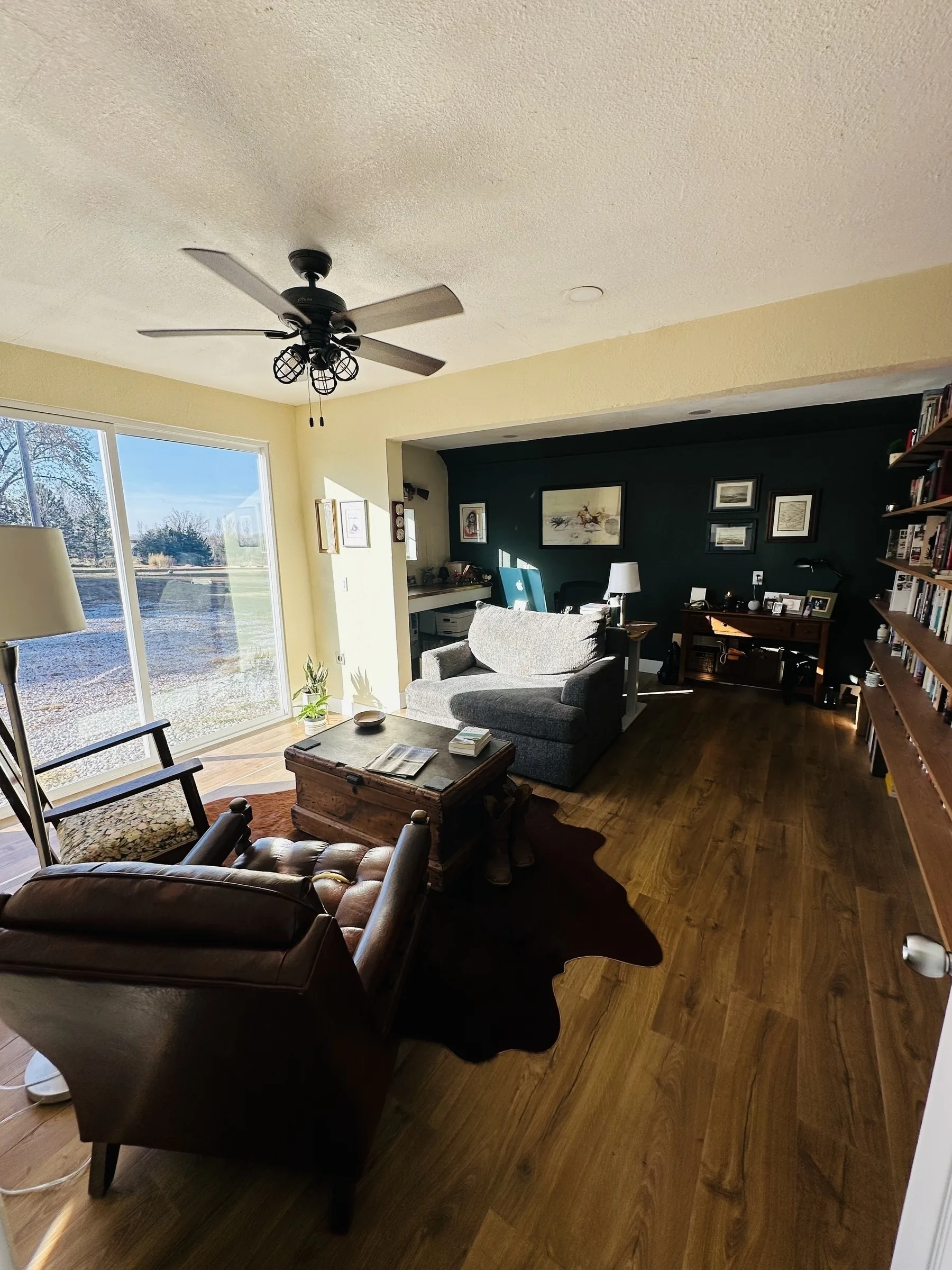
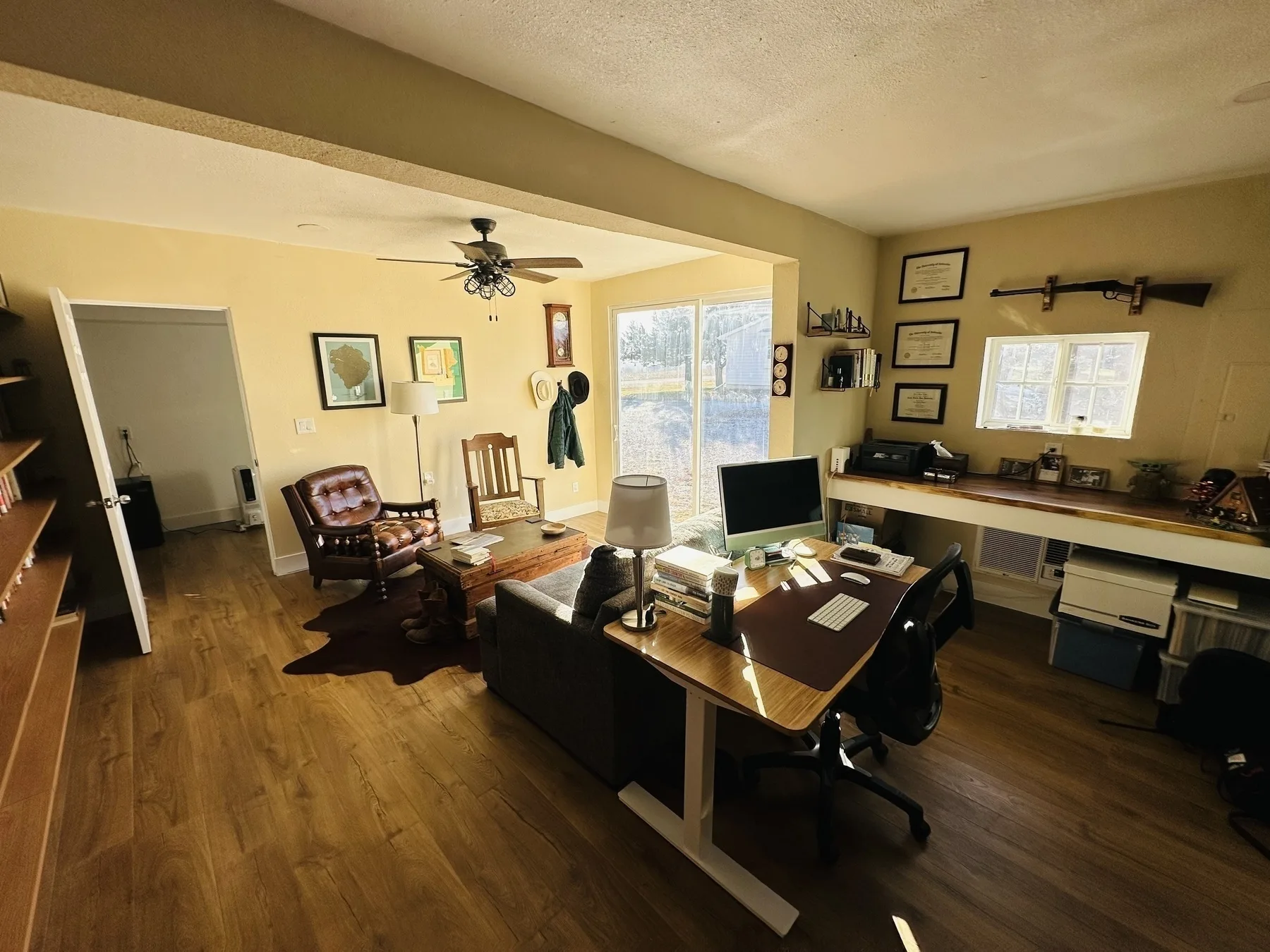
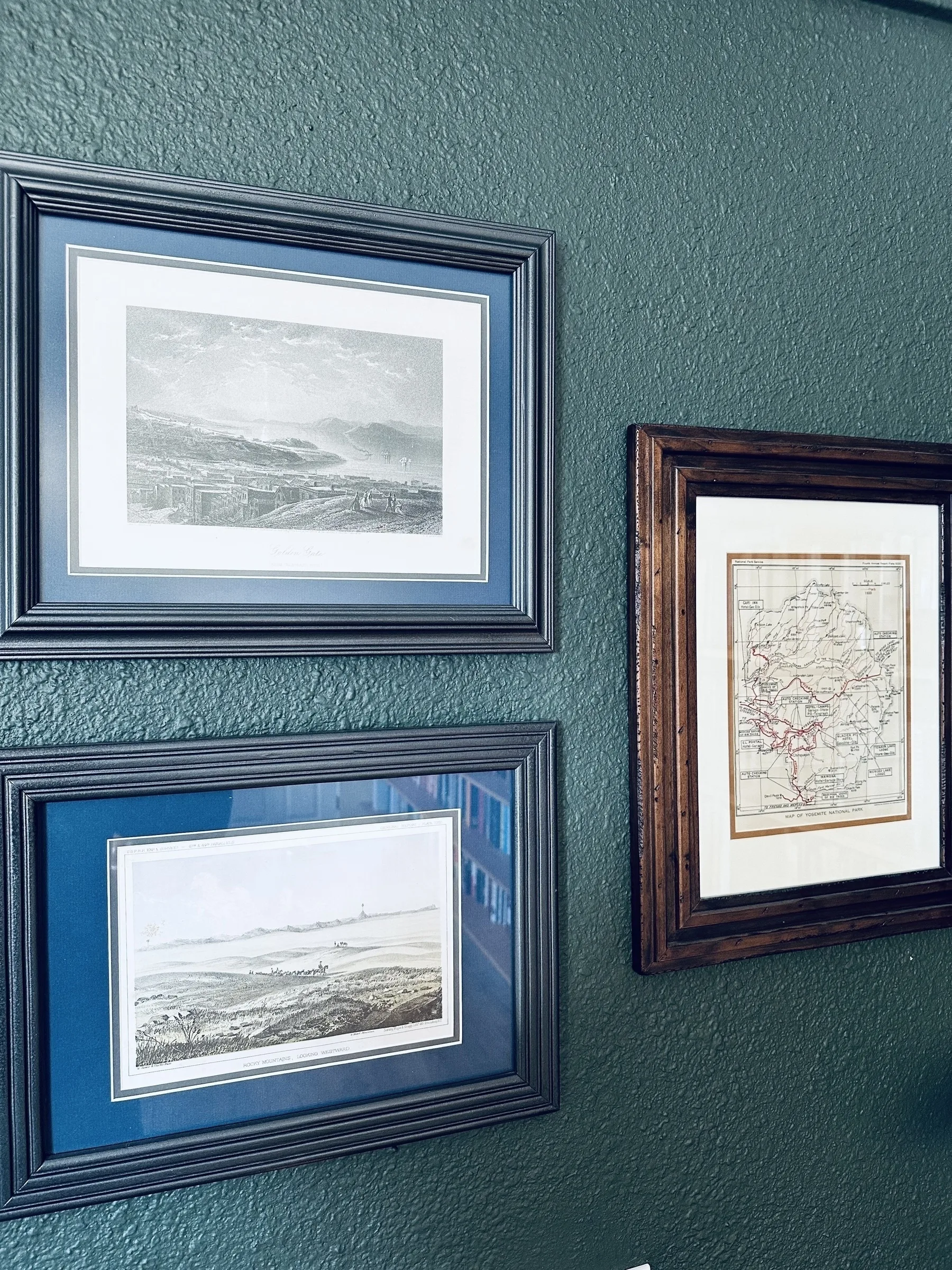
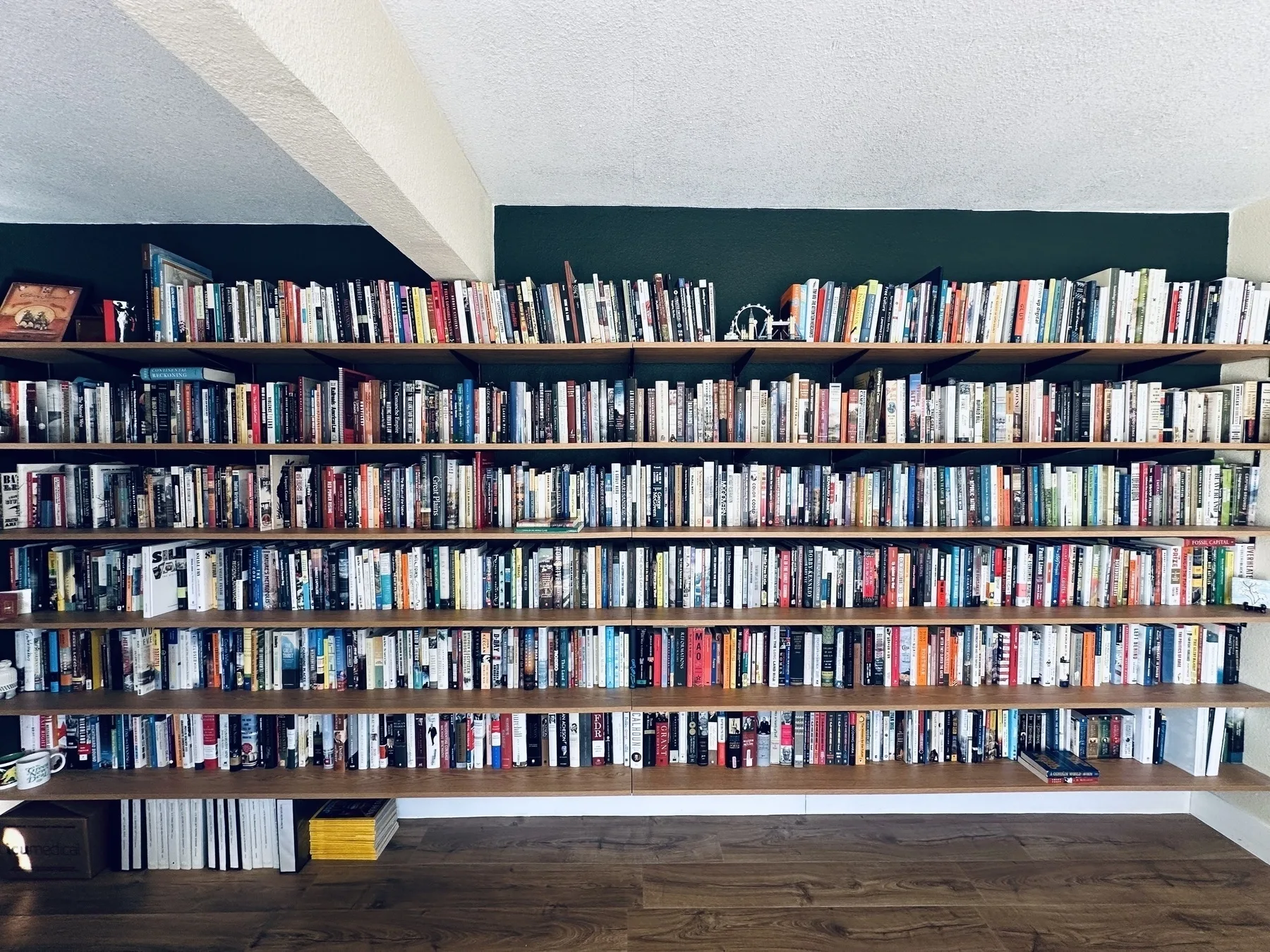
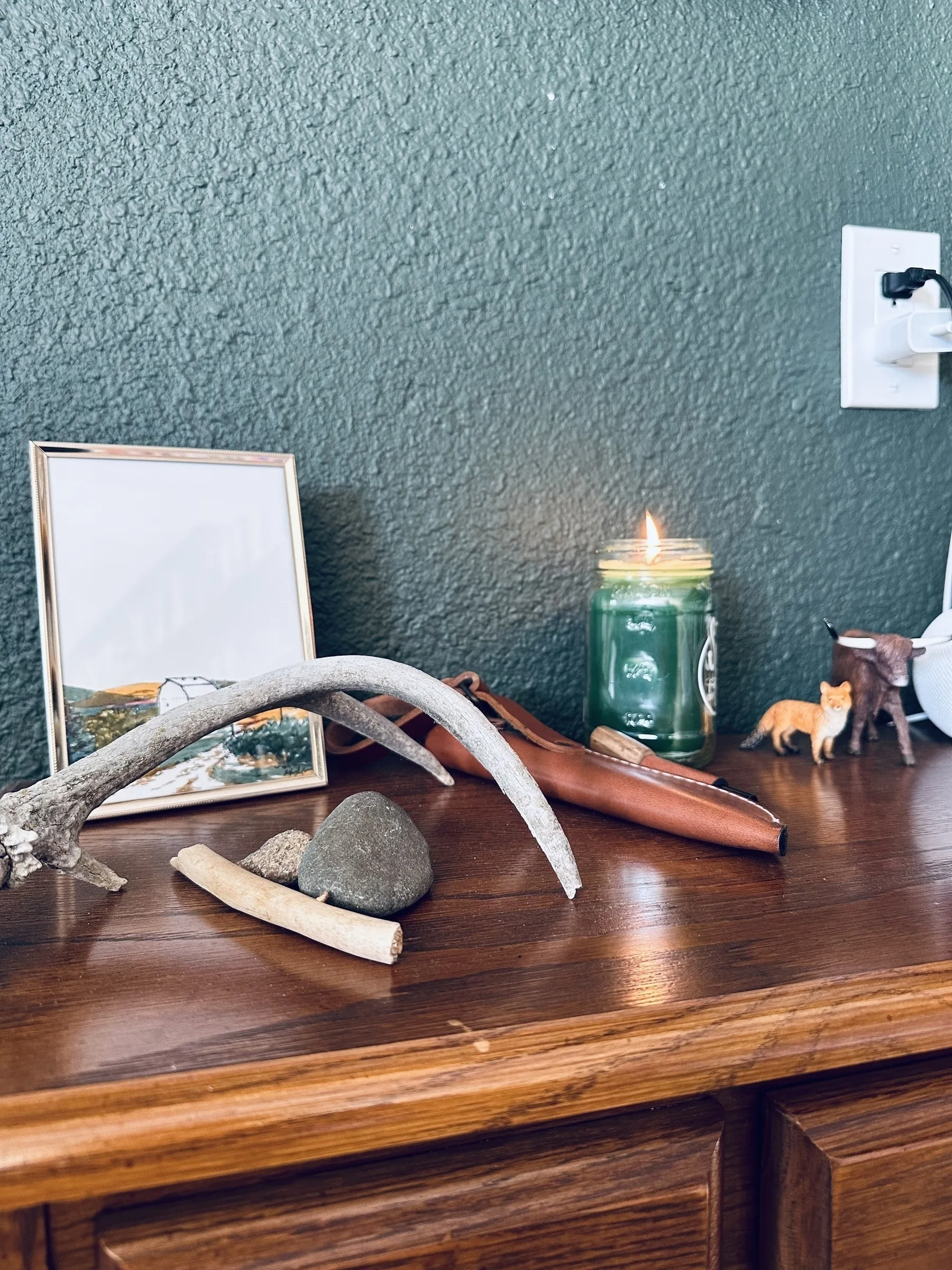
I’ve long tried to keep a separate space for work. As a writer and a software developer who works remotely, having a separate space has always been a high priority for me. At our last house, that meant taking over most of the basement for desk, chairs, and bookshelves. When we moved to our acreage this summer, we actually down-sized — at least, in living space. We no longer had a finished basement or an extra bedroom. But an outbuilding that once served as a workshop fit the bill for both, and we spent the spring and summer converting it into a new space.
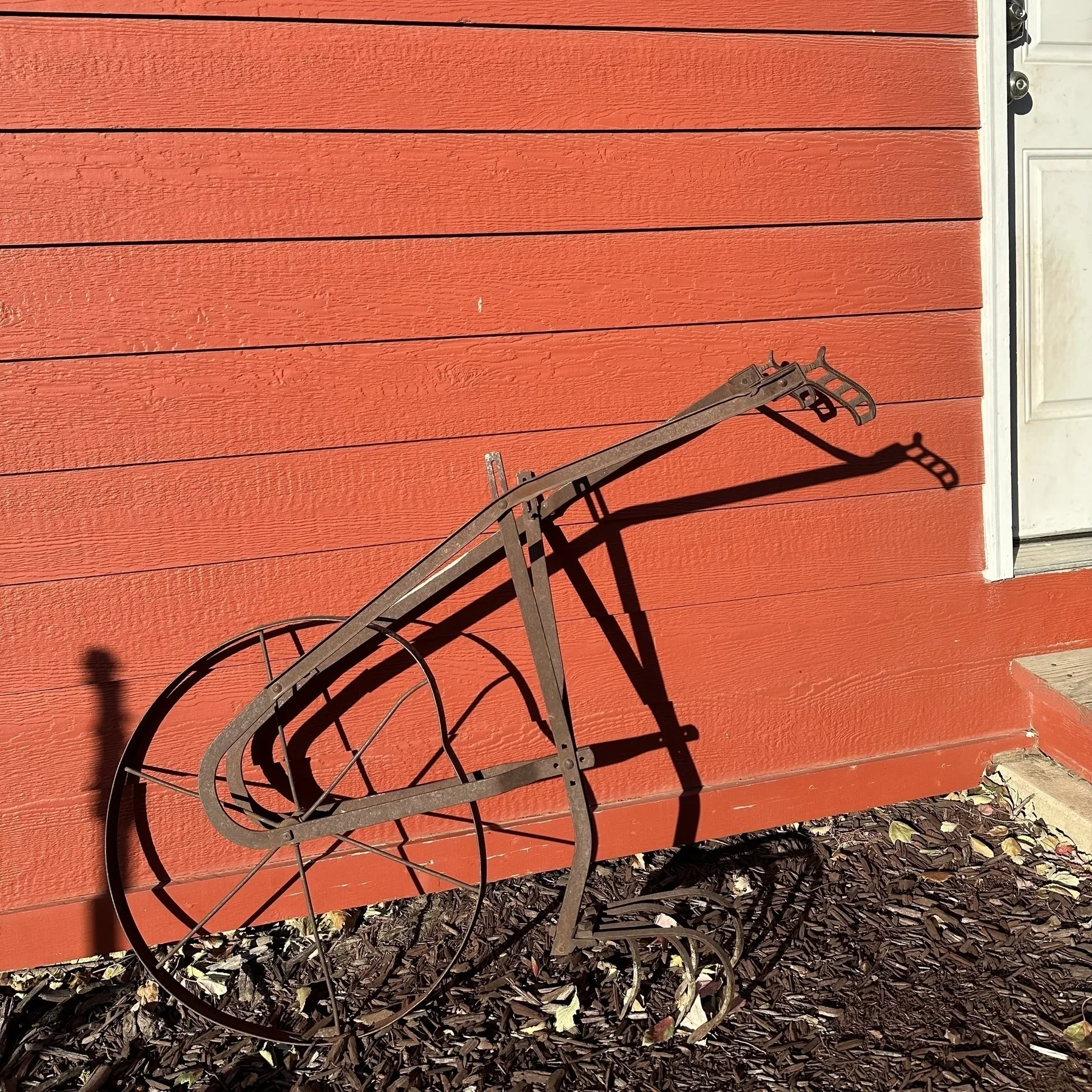
The outbuilding was once a corn crib turned workshop. We spent the early part of the summer leveling floors, putting up new walls, texturing, painting, hanging doors, installing heat pumps, laying wood flooring, and painting. They were long days and I’m pleased with how it turned out.
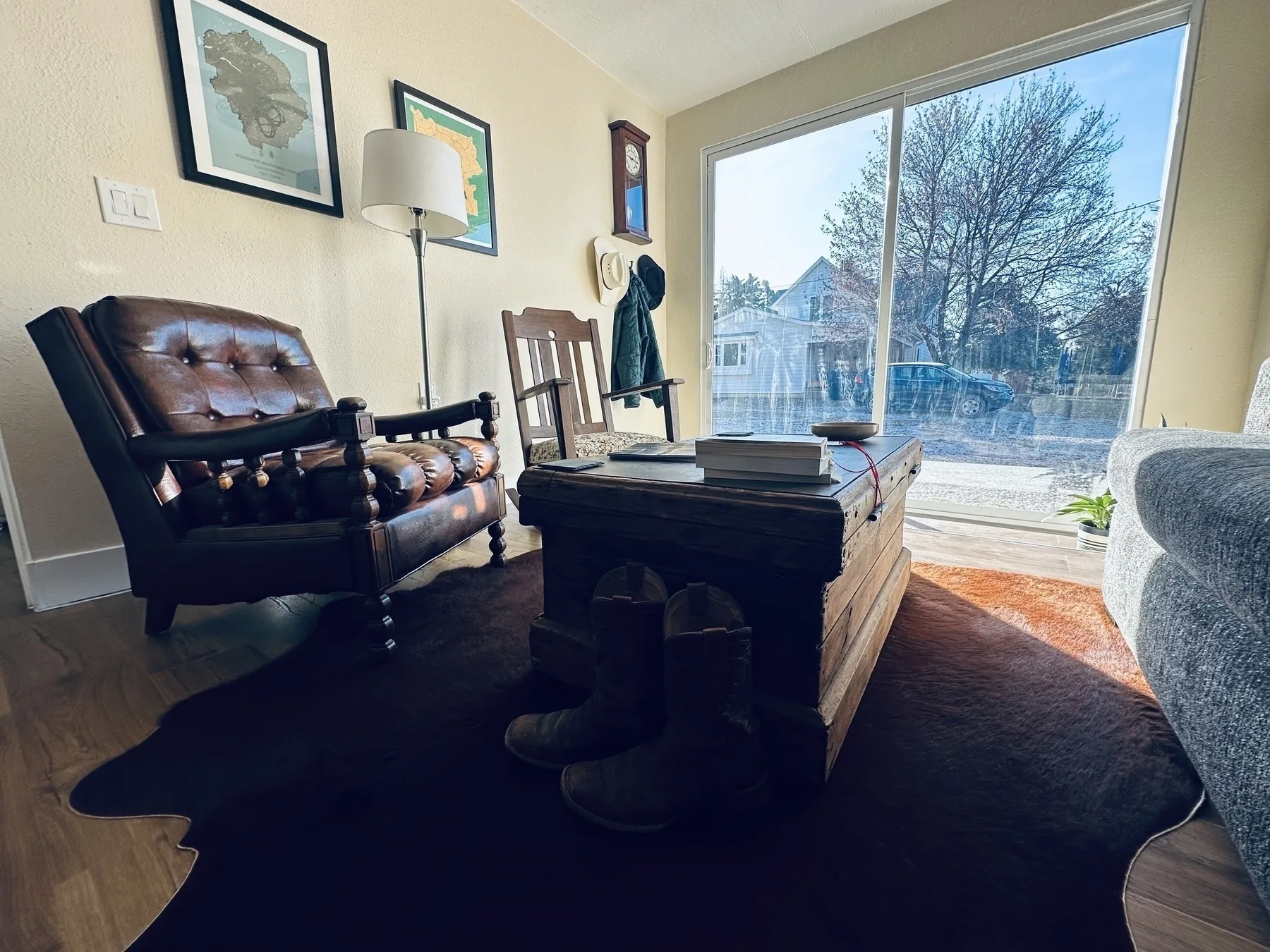
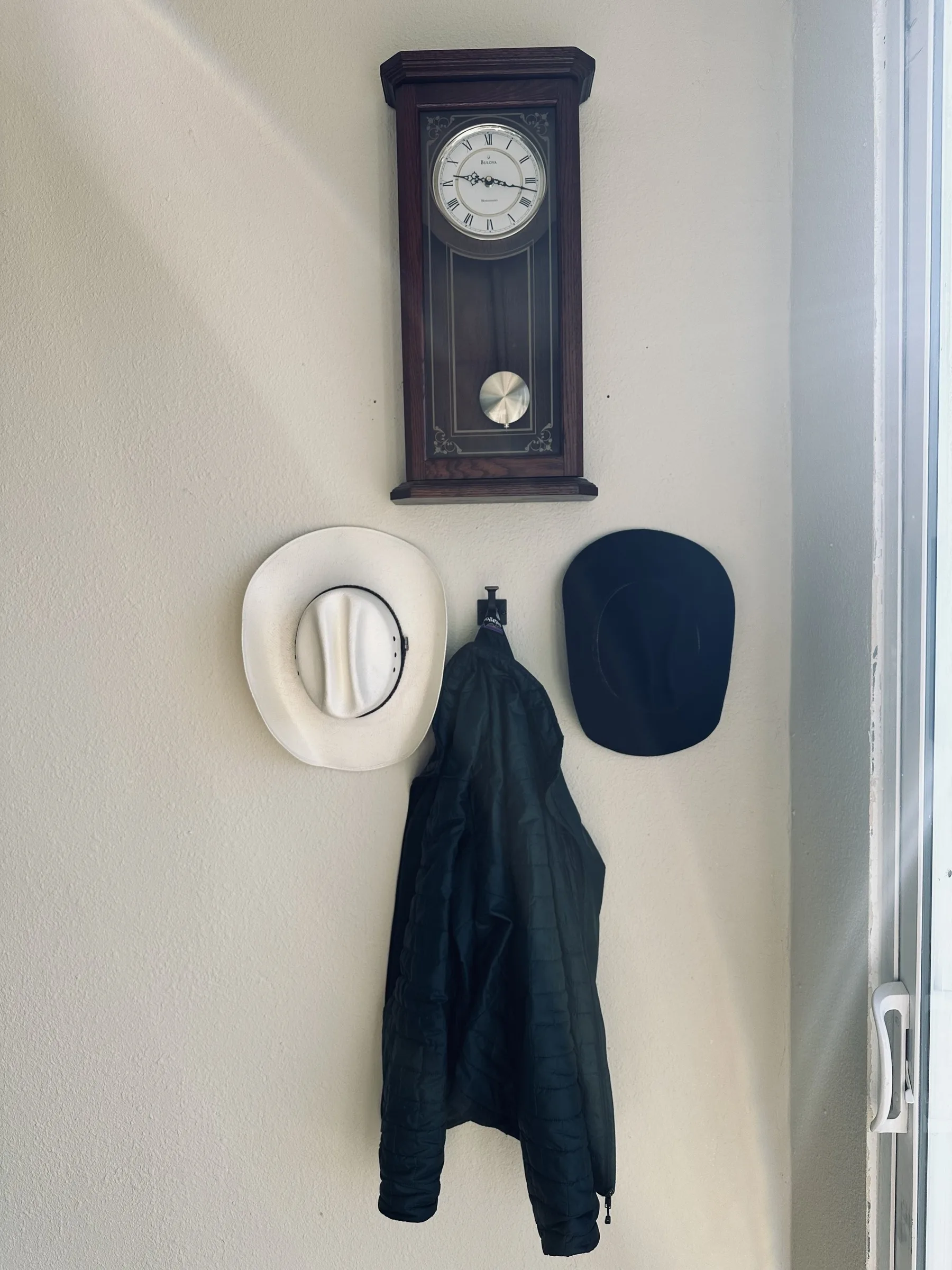
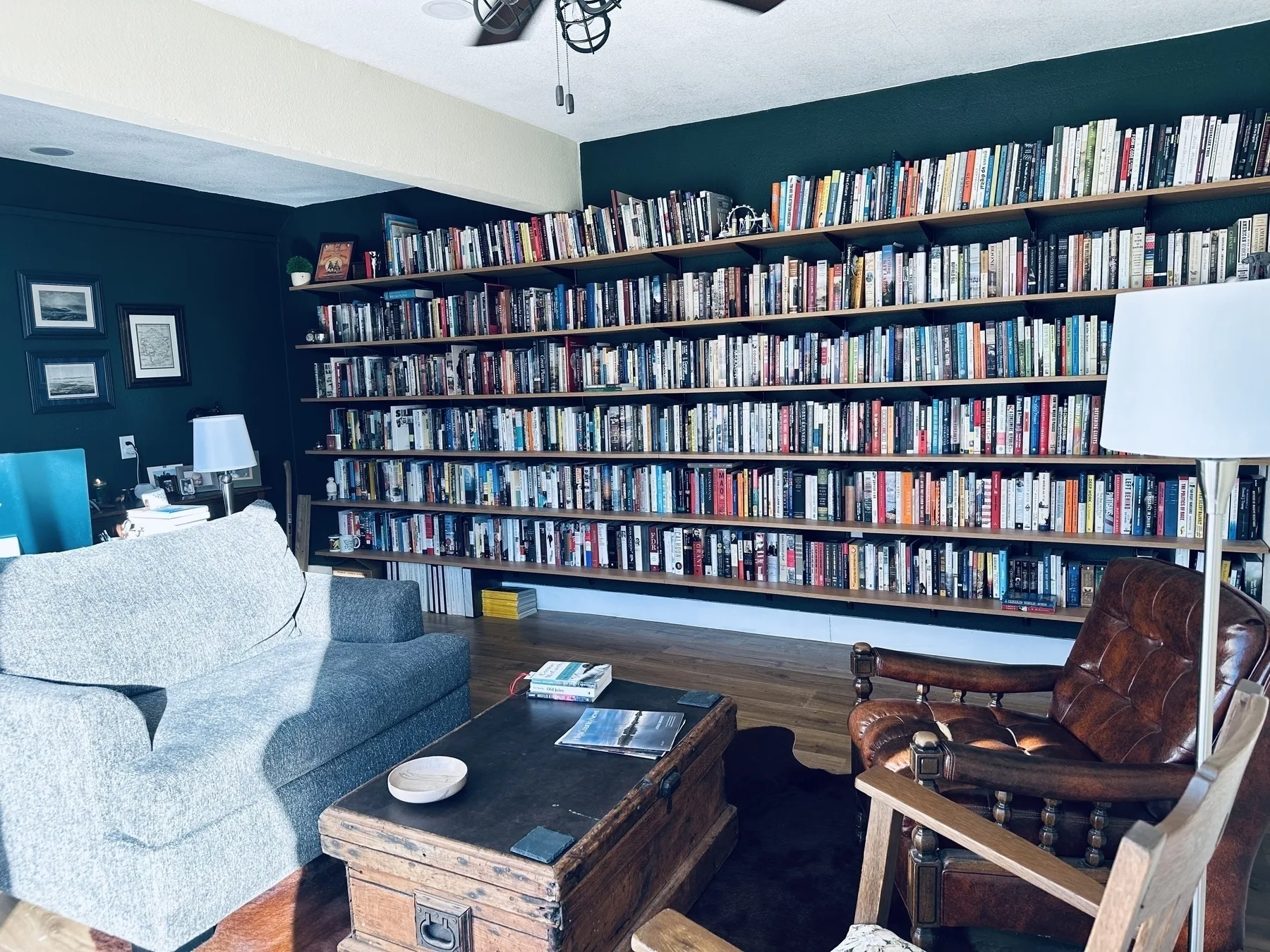
My study is, more or less, finished. There are a few things I plan to upgrade down the line (like a new couch, reupholstering the leather chair, possibly a different piece of furniture than the console I have now). But it’s functional and fits the style I was after: both a working space with the desk, but also a “community” space with the chairs for reading, conversing, or maybe a nap or two.
What you don’t see here is the guest suite and kitchenette we’d also built, as well as the bathroom (already existing and functional, but still in need of renovation). In the very near future, I actually hope to use the guest space to host writer’s retreats. But more on that later.
This week is the Western History Association’s annual meeting. We’re gathering in Los Angeles and this year should be a terrific time. On deck for me this week, in between panels, meetings, networking, drinks and meals, and rest:
Thursday is my busiest day. At 10:15am, I’m helping host the digital history lightning round that we sponsor every year. I’m eager to hear from our presenters. That afternoon we’re hosting our first digital history drop-in session.
Friday I’m helping organize a dinner in honor of my advisor John Wunder, who passed this summer. I cannot wait to catch up with those of us who had the privilege of working and learning from him and share our memories.
At 8:15am panel Saturday, I’ll be joining Justin Gage, Saara Kekki, Joel Zapata, and Jen Andrella to chat “New Directions in Digital Western History.” Looking forward to the conversation!
One thing opponents and proponents of a recently proposed U.S. Bureau of Land Management rule agree on: It would be a major shift in how the agency manages nearly 250 million acres of federal lands.
The rule would allow for conservation leases, similar to how the agency auctions off parcels of land for mining, livestock grazing or oil and gas development. Supporters say the proposal would lift conservation to the level of extractive uses, a responsible move to protect lands affected by climate change.
I’ll be watching this closely, especially as I embark on my next book project on public lands. It’s a big deal: most of the federal Bureau of Land Management lands are governed by “multiple use”–that is, that land can have multiple, economic purposes (leisure, grazing, mining, energy production, and so forth). The Biden Administration wants to elevate conservation as a “use” which will impact water, species conservation, wildlife, and climate, in addition to the current economic uses of the land.
For the last couple years, I’ve created a yearly theme instead of New Years resolutions (which rarely work out). Last year I declared it my Year of Lagom – a Swedish word meaning “just enough.” This year I’ve declared this the Year of Work.
The French poet Nicolas Boileau in his L’Art poétique (1674) put it this way in his advice to writers:
Hâtez-vous lentement, et sans perdre courage,
Vingt fois sur le métier remettez votre ouvrage,
Polissez-le sans cesse, et le repolissez,
Ajoutez quelquefois, et souvent effacez.
Slowly make haste, and without losing courage;
Twenty times redo your work;
Polish and re-polish endlessly,
And sometimes add, but often take away.
Slowly make haste (Hâtez-vous lentement) seems like a good aim for my year—a year of urgency and diligence. It’s a year filled with projects that are coming to an end (projects around RRCHNM, my book) and new ones arising (new tech stack and languages, new digital projects, a new book project perhaps). Wrapped up in this are efforts to remove those things that don’t help me achieve what I’d like to be doing—more thinking, building, creating, writing.
So, work breaks down into a few areas, since more focus on my time means cutting things that could otherwise occupy it. I’ll be…
…working on having more days with an empty calendar.
…working on curtailing work travel, boosting personal travel. I traveled a lot last year for work, and I plan to cut that quite a bit in 2023.
…working on my writing: finishing my book and writing generally. Part of that means more activity here on the blog and the newsletter, but I also want to get words out in more places (a stretch goal would be some place like Dissent, The New Republic, The Atlantic, or Emergence). I also want to work on my writing style and voice more generally. I’m deeply considering an application to the environmental writing studio at Brown University. To work with Bathsheba and Kerri would be wonderful.
…working on the web. I’m pretty new to Django, which is now part of a new tech stack we’ve adopted at RRCHNM. I never thought I’d be a Python person, but I’m now a Python person. I’ll continue building for the IndieWeb.
…working on building fitness into my life. I haven’t fully gotten back on track with eating and exercise after the holidays, but it’s a priority this year.
The nice thing about themes is they’re built to not fail: not too specific, but achievable even if by a small amount. The theme, after all, is a guiderail for helping make decisions. Your yearly theme might be a bit of mixed bag, which will then influence how you think about next year’s theme. Not resolutions, but a sort of rule of life for your year.